
How to Remove Echo From a Recording or Podcast Room
How to reduce room echo for podcasts and voice over: acoustic panels on the first reflection points, bass traps in the corners and soft absorbing furnishings.
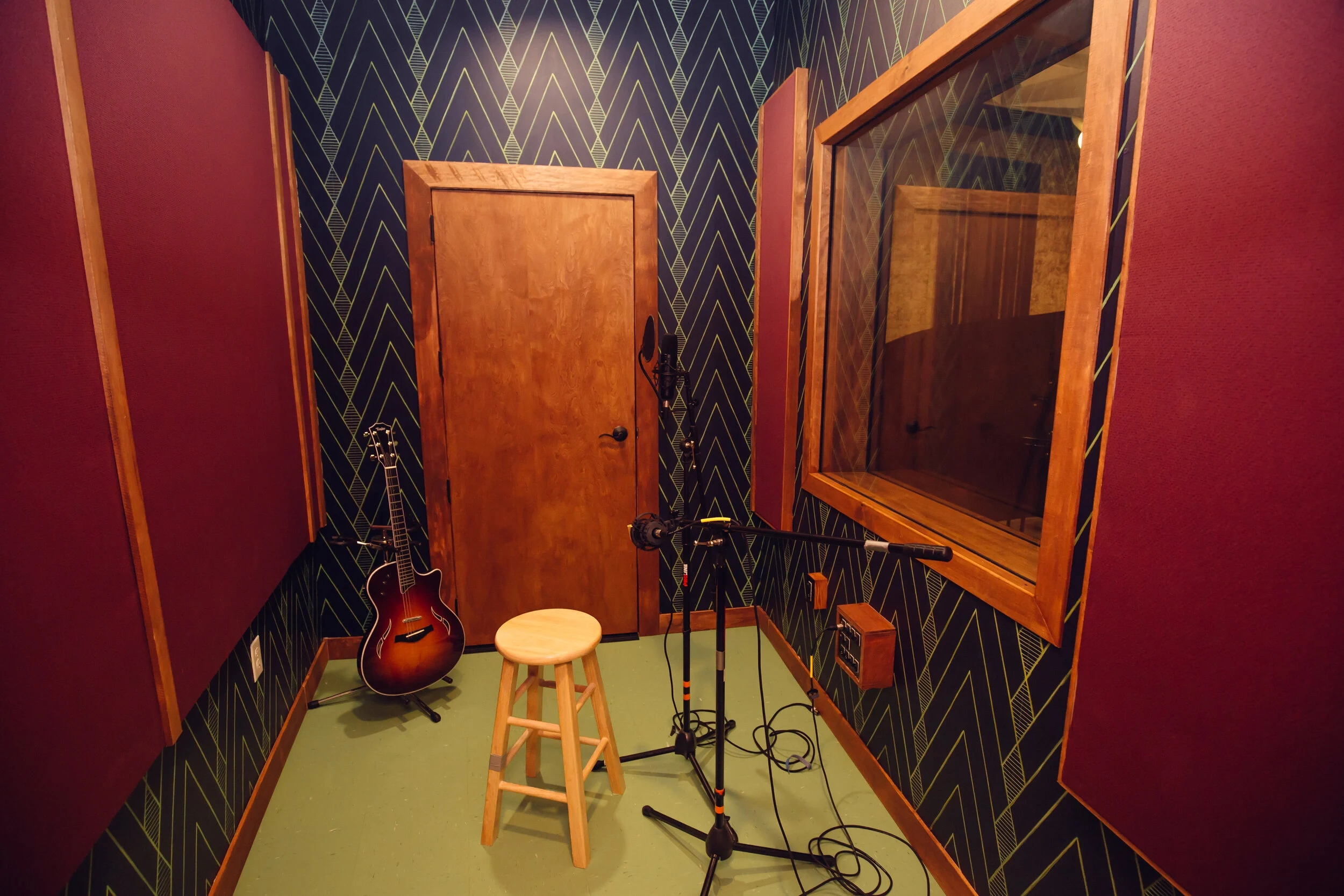
Have you recorded a voice clip or a podcast episode and found an annoying echo or ring ruining the recording, however good your microphone is? Echo is the number one enemy of every content creator and voice over artist. In this article we explain how to get rid of room echo with practical, professional steps.
In short: echo happens because smooth walls, ceramic floors and high ceilings reflect your voice back to the microphone with a slight delay. You remove it in three steps: acoustic panels on the first reflection points, bass traps in the corners of the room, and soft absorbing items such as carpets and heavy curtains.
Why does a room have echo?
Empty shelves, smooth concrete walls, ceramic floors and high ceilings all act as reflective surfaces for sound waves. When your voice travels towards the microphone, it hits these surfaces and comes back to the microphone with a slight delay, which produces the annoying echo (flutter echo).
What are the steps to remove echo and get clearer sound?
- Place acoustic panels: not just any sponge, but foam or rockwool panels of a specific density, placed precisely on the first reflection points on the side walls and in front of the speaker.
- Control low frequencies with bass traps: the corners are where low frequencies (bass) build up and make the sound boomy or heavy. Installing bass traps in the corners of the room solves 50% of sound clarity problems.
- Add soft absorbing items: thick carpets, heavy curtains and upholstered furniture help reduce the early reflections.
How is a professional studio designed around the space?
Every room has its own dimensions and frequencies. Random treatment can absorb all the high frequencies and leave the room unnaturally “dead”. Professional design balances absorption and diffusion.
Frequently asked questions about echo in recording rooms
Where do I put acoustic panels in a podcast room?
On the first reflection points on the side walls and in front of the speaker, because these are the surfaces that bounce sound straight back into the microphone.
Why do I need bass traps in the corners?
Because the corners are where low frequencies build up and make the sound boomy or heavy, and installing bass traps there solves a large part of sound clarity problems.
Does ordinary sponge fix echo?
Not just any sponge. You need foam or rockwool panels of a specific density placed precisely. Random treatment can make the room unnaturally “dead”.
Build a professional, clear-sounding podcast studio today
Let the Silence team design the right acoustic treatment for your space and budget: studio and podcast acoustic treatment service · panels, bass traps and ready packages · request your free consultation